
In recent years, with the natural evolution of cannabis legalization across the globe, home growing has emerged as a popular and accessible hobby for enthusiasts. Whether driven by quality control, cost-effectiveness, or simply the desire to cultivate their own plants, understanding harvesting and curing techniques is paramount for any serious home grower. This comprehensive guide aims to demystify these processes, providing essential insights to help you optimize your harvests and enjoy the finest cannabis possible, right in your own home.
- Understanding Harvesting Techniques for Optimal Cannabis Quality
- Curing Cannabis: A Step-by-Step Guide to Flavor and Potency
- Legal Considerations and Best Practices in Home Cannabis Growing
Understanding Harvesting Techniques for Optimal Cannabis Quality

The art of harvesting cannabis is a critical step in ensuring the highest quality final product. Proper timing and technique are key to unlocking the plant's full potential. As cannabis legalization spreads globally, many enthusiasts and entrepreneurs are exploring home growing as a means to access premium strains and take advantage of tax breaks and business opportunities that have emerged alongside legalizing medical marijuana. Understanding when to harvest your cannabis plants is just as important as knowing how to cure them correctly afterward.
Different cannabis varieties reach their peak potency at varying stages of maturation, typically between 7-14 days after flowering. Harvesting too early can result in underdeveloped terpenes and cannabinoids, while waiting too long may lead to over-maturation and a loss of desired effects. The best approach is to closely observe your plants, looking for signs of maturity such as resinous trichomes that have turned milky white. This visual cue indicates optimal cannabinoid content, specifically THC and CBD, the compounds responsible for cannabis' therapeutic and psychoactive properties.
After harvesting, the curing process begins. Similar to fine wine or cheese, cannabis benefits from a controlled environment during this stage. Many cultivators use a cure similar to that of tree huggerz—a gentle, air-based approach that allows the plant material to gradually dehydrate while preserving its flavor and potency. This method involves hanging cured buds in a cool, dark place with circulating air for several weeks, allowing time for moisture to evaporate slowly. Proper curing enhances the final product's aroma, taste, and overall user experience. It also ensures a longer shelf life, which is advantageous for home growers looking to store surplus cannabis for future use.
Curing Cannabis: A Step-by-Step Guide to Flavor and Potency
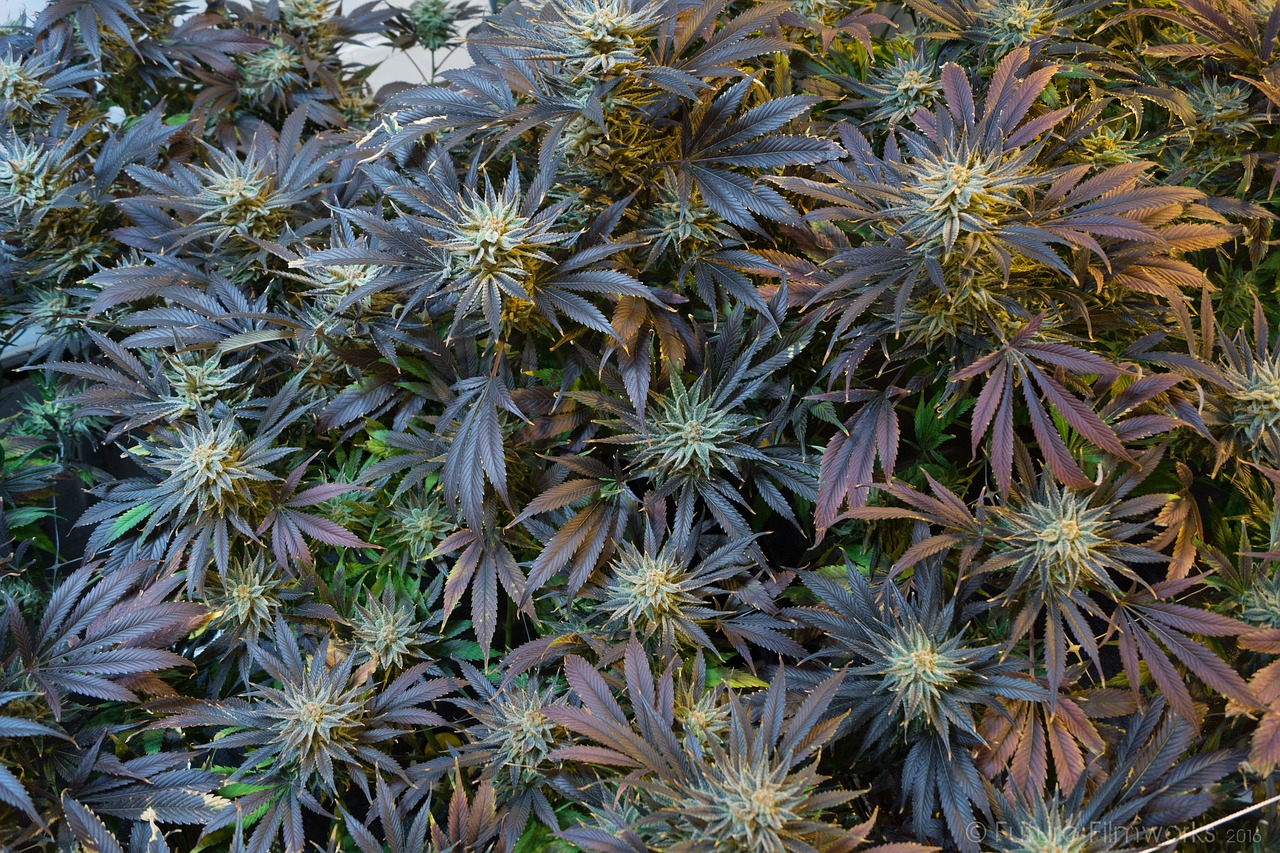
Curing cannabis is a crucial step in transforming raw plant material into a high-quality product with desirable flavor and potency. This process involves several key steps that, when executed correctly, can significantly enhance the final product's quality and appeal. As recreational cannabis use continues to gain acceptance and state-level marijuana legalization expands globally, understanding how to cure your own harvest has become an essential skill for many cultivators. For instance, in regions where recreational weed has been legalized, consumers increasingly demand premium, artisanally cured cannabis products.
The first step in curing cannabis is to determine the ideal time to begin the process. Typically, this occurs after the plants have been harvested and hung upside down to dry for several days. The drying period reduces moisture content, which is critical for preventing mold and preserving terpenes, the aromatic compounds responsible for cannabis's distinct flavors. Once the plants are sufficiently dry, usually indicated by crisp leaves and a consistent, manageable weight loss, curing can commence. Curing involves slowly reducing humidity levels to facilitate the natural evaporation of excess moisture from the flowers and leaves.
Tree Huggerz recommends using a controlled environment with specific temperature and humidity ranges during this phase. A gradual decrease in humidity over several weeks allows for optimal flavor development and preserves the plant's active compounds, including THC and CBD levels. During curing, it's essential to monitor the progress regularly, checking for signs of mold or clumping, which can indicate too much moisture is present. Curing times can vary depending on the strain, climate, and personal preferences. Some cultivators prefer a longer cure to intensify flavors while others opt for a shorter duration to preserve a more delicate aroma. The result should be cannabis that feels dense, aromatic, and crisp to the touch, signifying a successful curing process.
Legal Considerations and Best Practices in Home Cannabis Growing

In the evolving landscape of cannabis legalization across many jurisdictions, home growing has emerged as both a personal hobby and a significant segment of the cannabis business opportunities. As more regions embrace cannabis activism progress and de-stigmatize its use, understanding legal considerations and best practices in home cannabis cultivation is paramount for responsible participation in this burgeoning industry.
Cannabis growers at home must navigate a complex web of local, provincial, and federal laws that govern cultivation, possession, and distribution. In areas where medical or adult-use cannabis is legal, specific regulations dictate the number of plants one can grow, allowable space, lighting requirements, and security measures to prevent unauthorized access. Compliance with these rules not only ensures legal safety but also preserves the integrity of your harvest, preventing contamination from illicit sources.
Cultivation tips for successful home growing include meticulous planning and attention to detail. Start by researching your local cannabis laws and obtaining any necessary licenses or permits. Ensure your growing space meets the required specifications, featuring adequate ventilation, lighting, and temperature control. Implement secure storage methods to safeguard your plants and products from theft or contamination. Foster a healthy environment through organic practices, utilizing nutrient-rich soil and pH-balanced water to promote robust plant growth. Regular monitoring of plant health and pest management are crucial to avoid issues that could compromise the quality and safety of your harvest.
For those looking to monetize their green thumb, home growing offers unique cannabis business opportunities. From cultivation to extraction and packaging, there's a niche for every skill set. However, success demands adherence to legal frameworks and industry standards. Consider joining local cannabis communities or reaching out to organizations like (437) 855-2823 for guidance on navigating the complexities of home growing as a business. By embracing best practices, cultivators can not only enjoy the fruits of their labor but also contribute positively to the evolving cannabis industry and community.
As you've explored the intricacies of home cannabis growing, several key insights emerge. Firstly, mastering harvesting techniques is pivotal for achieving optimal cannabis quality, influencing flavor, aroma, and potency. Understanding the art of curing, through precise timing and specific methods, further enhances these attributes. Additionally, navigating the legal landscape of cannabis legalization naturally guides responsible and compliant practices, ensuring a secure and sustainable home growing experience. By integrating these principles, you're equipped to cultivate premium cannabis while adhering to current legal frameworks, marking a significant step towards both excellence and legality in home cannabis cultivation.
1. Cannabis Harvesting & Curing:
- Optimal harvesting occurs 7-14 days after flowering, based on resinous trichome color.
- Controlled curing environment (like Tree Huggerz method) enhances aroma, taste, potency, and shelf life.
2. Home Cannabis Growing in Legalized Environments:
- Understand local, provincial, and federal laws regarding cultivation, possession, and distribution.
- Plan for secure growing spaces, adequate lighting, ventilation, and temperature control.
- Implement organic practices, pest management, and safe storage methods.
3. Cannabis Business Opportunities:
- Home growing offers business niches from cultivation to extraction and packaging.
- Adhere to legal frameworks and industry standards for successful monetization.